AC Smells Like Burning in Los Angeles — What It Means
AC smells like burning in Los Angeles? Learn which burning smells are dangerous and need immediate attention vs. harmless ones. C-20 licensed.
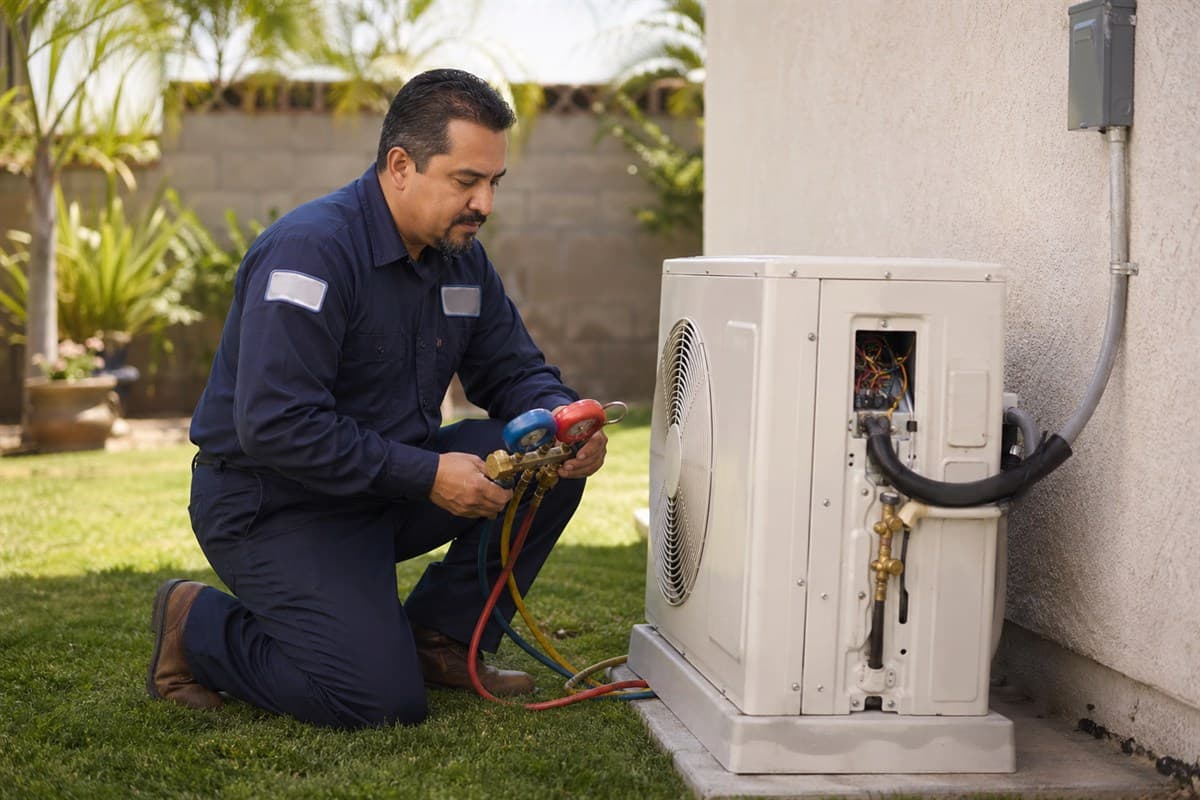
Quick Diagnostic Checklist
- 1Turn off the AC immediately if the smell is strong, acrid, or electrical
do not restart until a technician has inspected; running a system with burning wiring risks a house fire
- 2Check if this is the first time the AC has run this season
a brief dusty smell on first startup is normal; if it clears within 30 minutes with no recurrence, monitor and continue
- 3Identify whether the smell comes from the indoor vents or the outdoor unit
burning from indoors points to the air handler, wiring, or ducts; outdoor smell points to the compressor or capacitor
- 4Do not ignore a persistent or worsening burning smell
a failing capacitor that keeps running can burn out the compressor motor, turning a $300 repair into a $2,000 replacement
What We Do
A licensed technician arrives in a marked vehicle, performs a full system diagnosis, and gives you a flat-rate quote before any work starts. No surprise charges. Most repairs are completed same day.
You turn on the AC and something smells wrong.
It might be a harmless dust burn-off that clears in 20 minutes. It might be a capacitor or motor that is overheating. It might be a wiring fault that is a fire hazard.
An ac smells like burning los angeles call covers a wide range — from completely benign to genuinely dangerous. This page tells you how to identify which situation you are in, and exactly what to do in each case.
What Different Burning Smells From Your AC Mean
Not all burning smells are the same. The type, location, and persistence of the smell tell you almost everything you need to know.
Dust burning off on first startup of the season. If this is the first time you have run the AC this year, a brief dusty or musty burning smell that clears within 20–30 minutes is almost always harmless. Dust accumulates on the heating elements and evaporator coil during the off-season and burns off on first use. If the smell disappears completely and does not return, no action is required.
Electrical component overheating — capacitor or motor. An acrid, sharp burning smell — similar to burning plastic or electrical insulation — coming from the outdoor unit typically means a capacitor or motor is overheating or has already failed. This smell does not clear on its own. Turn the system off and call a technician before running it again.
Overheating compressor. If the outdoor unit has been running for an extended period without cooling the home effectively, the compressor can overheat. This produces a distinct hot metal or burning oil smell near the outdoor cabinet. Turn the system off at the thermostat and call a technician.
Debris in the ductwork. Rodents, birds, or accumulated debris in the duct system can produce a burning or smoky smell when the system runs. Critically, this smell comes from the vents throughout the house — not from the outdoor unit. If the smell is coming from the vents and the outdoor unit smells normal, duct inspection is the next step.
Wiring fault — the most serious cause. A burning smell from the indoor air handler — particularly one that resembles burning plastic or smells like an electrical fire — can indicate a wiring fault or a loose connection that is beginning to arc. Turn the system off at the thermostat and at the circuit breaker. Do not run it until a C-20 licensed technician has inspected the electrical components.
Musty or mold-like smell. This is distinct from a burning smell but worth addressing here because homeowners sometimes confuse them. A musty, damp-basement odor when the system runs typically indicates mold or mildew growth on the evaporator coil or in the ductwork — common in LA homes where the system sits idle for months before spring startup. This is not a burning issue and is not dangerous, but it warrants a coil cleaning or UV light installation.
How to Assess the Smell — Safe Steps
- Is this the first startup of the season? A dusty smell that clears within 30 minutes and does not return is almost always harmless. Monitor for recurrence over the next few hours.
- Where is the smell coming from? Vents throughout the house point to ductwork. The indoor air handler cabinet points to wiring or the blower motor. Near the outdoor unit points to a capacitor, motor, or compressor issue.
- Is the smell persistent? If the AC has been running for an hour and the smell continues or worsens, turn the system off.
- Is the smell acrid, sharp, or electrical in character? If yes, turn the system off at the thermostat and at the circuit breaker. Do not run it.
When to Act and How Quickly
| Smell Type | Action | Urgency | |---|---|---| | Dusty, clears within 30 min, does not return | Monitor, no action needed | Not urgent | | Musty / mold-like from vents | Schedule coil cleaning | Next business day | | Burning plastic near outdoor unit | Turn off, call technician | Same day | | Acrid / electrical from indoor unit | Turn off at breaker, call | Immediately | | Accompanied by smoke or tripped breakers | Turn off at breaker, call | Immediately |
When This Is an Emergency
Turn the system off at the breaker immediately if:
- The smell is sharp, acrid, or resembles burning plastic or electrical insulation
- The smell is coming from the indoor air handler and worsening over time
- You see visible smoke or discoloration near any component
- The circuit breaker is tripping repeatedly alongside the smell
A brief dusty smell on first seasonal startup that clears completely is not an emergency. Every other scenario listed above warrants a call before running the system again.
What Electrical and Component Repairs Typically Cost in LA
| Issue | Typical Cost in LA | |---|---| | Capacitor replacement | $175–$350 | | Fan motor replacement | $300–$700 | | Contactor replacement | $150–$300 | | Control board replacement | $400–$900 | | Wiring repair or splice | $150–$500 | | Compressor replacement | $1,200–$2,500 | | Coil cleaning (for musty smell) | $150–$300 |
Electrical issues caught early are almost always less expensive than the same issues found after they have caused secondary damage to other components. Running a system with a known burning electrical smell risks compounding the repair cost substantially.
Frequently Asked Questions
Related Pages
Get a Free Estimate Today
Talk to a licensed C-20 technician — no pressure, honest answers.