LA Heat Wave AC Prep — What to Do Before the Next One
Heat waves break Los Angeles ACs every summer. Here's what to check on your system before the next one — and what to do during the heat event itself.
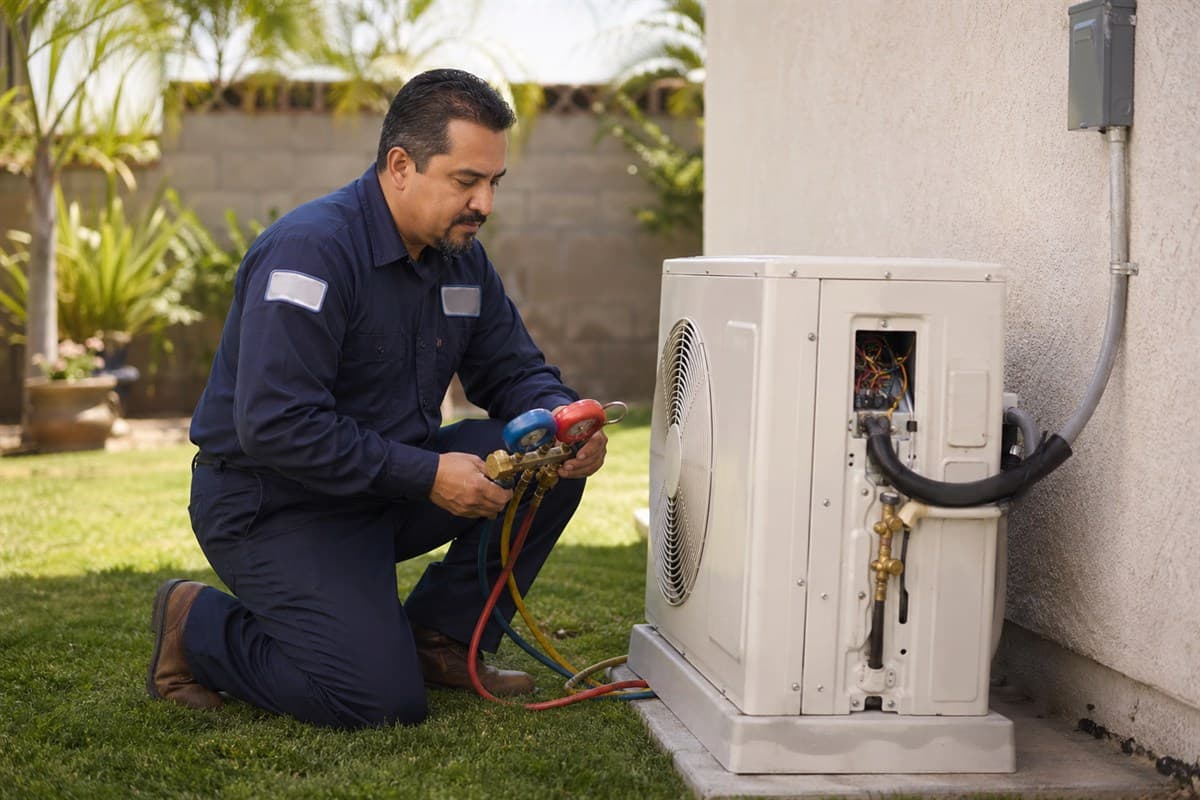
Every Los Angeles summer brings 3–8 heat events with afternoon highs above 100°F. Every heat event produces a wave of emergency AC service calls — most of them from systems that had a small problem before the heat wave that turned into a big problem during it.
Five Things to Check Before the Next Heat Wave
1. Replace the air filter. A clogged filter restricts airflow and can freeze the evaporator coil during sustained operation. Replace any time the filter looks gray or clogged.
2. Clear the outdoor unit. Trim back vegetation to leave at least 24" of clearance on all sides of the condenser. Spray the fins gently with a garden hose to remove visible dust.
3. Listen to the system on a 90°F day. If you hear humming without the fan spinning, or the system shutting off shortly after starting, you have a capacitor problem that will get worse in extreme heat.
4. Check the temperature split. Hold a digital thermometer at a supply vent vs the return air. The difference should be 14–20°F. Smaller splits indicate low refrigerant or a fouled coil — both reduce cooling capacity exactly when you need it most.
5. Schedule a tune-up if it's been over 12 months. This is the single highest-return preventive service.
What to Do During the Heat Event
Close blinds on south and west-facing windows. Set the thermostat at a realistic target (78°F, not 68°F — chasing an unreachable setpoint just runs the system longer without success). Run ceiling fans in occupied rooms. Avoid using oven and dryer during peak afternoon hours.
If the AC stops cooling completely, turn it off and call a technician — running a system that has lost cooling capacity risks compressor damage. Move occupants to the coolest room, or to an LA County cooling center if conditions become dangerous.
When to Call
Same-day if the system has stopped, is making new noises, or smells like burning. Schedule for next available if cooling is reduced but the system is still running. We staff for heat events specifically — call early in the morning of a heat wave for the fastest dispatch.
Frequently Asked Questions
Related Pages
Get a Free Estimate Today
Talk to a licensed C-20 technician — no pressure, honest answers.